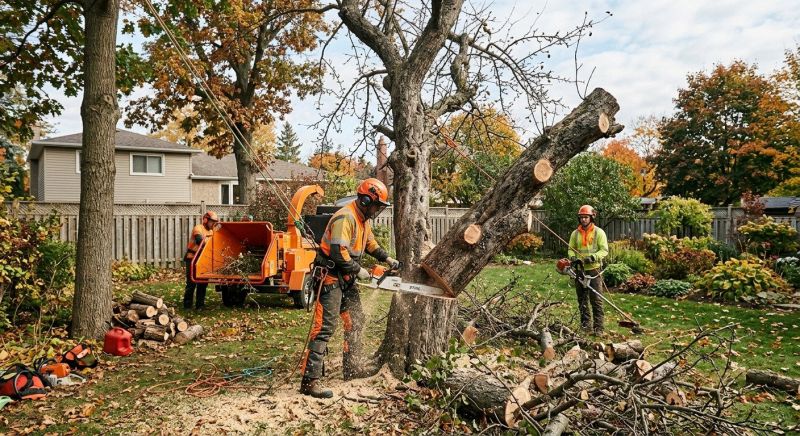
Apple Tree Removal in Bucks County, PA
Apple tree removal services involve the careful cutting and removal of apple trees that are no longer healthy, pose safety concerns, or need to be cleared for property development or landscaping projects. This service covers a range of projects, including removing dead or diseased trees, clearing space for new construction, or managing overgrown orchards. Property owners typically want to understand the scope of the removal process, the equipment used, and any potential impact on surrounding landscaping or structures before requesting this service.
Before initiating an apple tree removal, homeowners should consider factors such as the size and location of the tree, proximity to power lines, buildings, or other trees, and any local regulations or permits that may be required. It’s also helpful to understand the disposal process for the removed tree and whether stump removal is included. Clear communication about these details can ensure the project proceeds smoothly and meets the specific needs of the property.
Many property owners in Bucks County, PA look into Apple Tree Removal for repairs, replacements, upgrades, and appearance-related improvements.
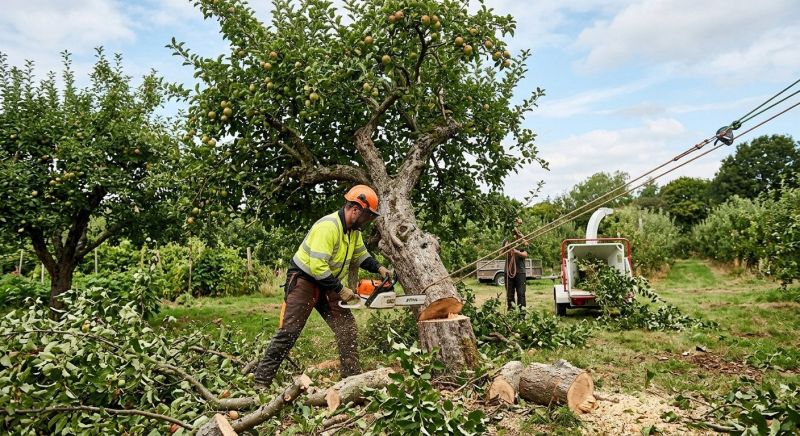
Reasons For Tree Removal
Trees may need removal due to disease, damage, or safety concerns on residential properties in bucks county.
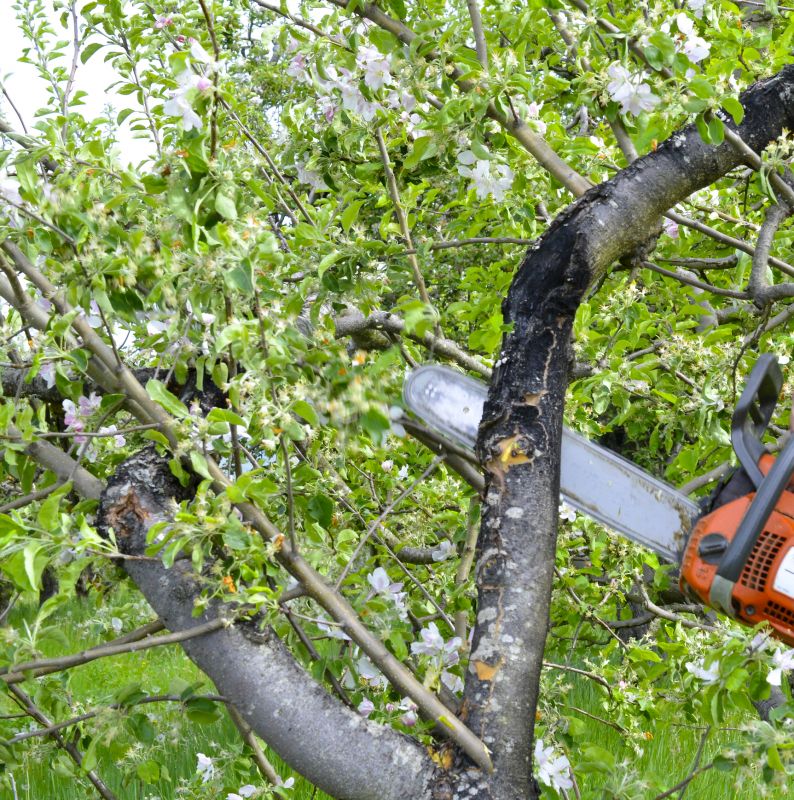
Safe Removal Processes
Proper tree removal ensures safety and minimizes impact on surrounding landscapes and structures.
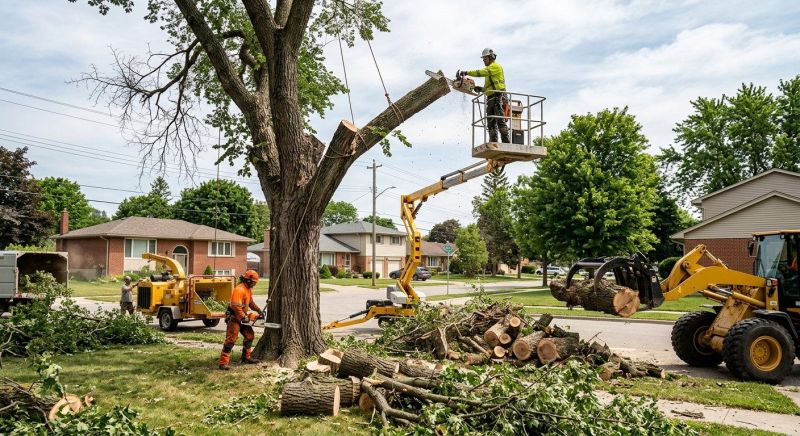
Post-Removal Cleanup
Comprehensive cleanup includes stump grinding and debris removal to restore the appearance of your property.
Apple Tree Removal in Bucks County, PA

Apple tree removal services involve the careful cutting and removal of apple trees that are no longer healthy, pose safety concerns, or need to be cleared for property development or landscaping projects. This service covers a range of projects, including removing dead or diseased trees, clearing space for new construction, or managing overgrown orchards. Property owners typically want to understand the scope of the removal process, the equipment used, and any potential impact on surrounding landscaping or structures before requesting this service.
Before initiating an apple tree removal, homeowners should consider factors such as the size and location of the tree, proximity to power lines, buildings, or other trees, and any local regulations or permits that may be required. It’s also helpful to understand the disposal process for the removed tree and whether stump removal is included. Clear communication about these details can ensure the project proceeds smoothly and meets the specific needs of the property.
Many property owners in Bucks County, PA look into Apple Tree Removal for repairs, replacements, upgrades, and appearance-related improvements.
Common Apple Tree Removal Jobs
Tree Removal - safely removing damaged or dead apple trees to maintain property safety.
Stump Grinding - eliminating tree stumps to improve yard aesthetics and prevent regrowth.
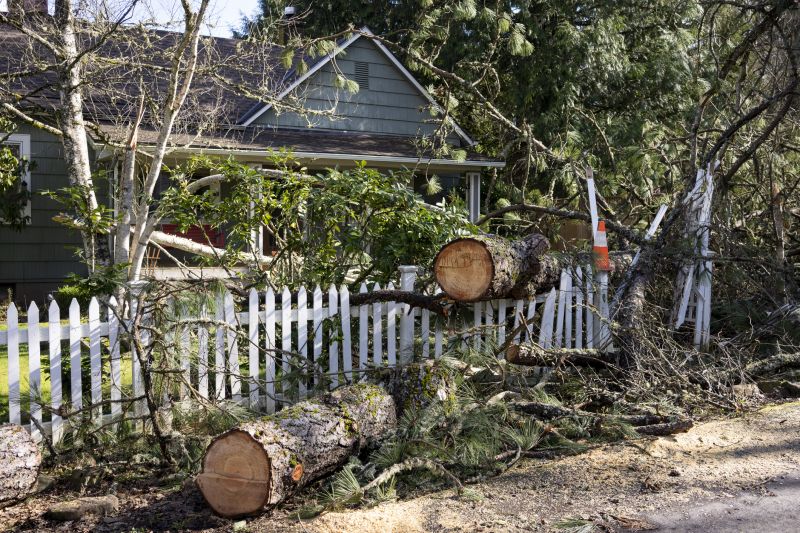
Emergency Tree Removal - addressing storm-damaged trees that pose immediate hazards.
Selective Tree Removal - removing specific trees to enhance landscape design or improve sunlight.
Hazard Tree Assessment - evaluating trees for structural issues that may require removal.
Invasive Tree Removal - removing non-native trees that threaten local ecosystems or landscape health.
Apple Tree Removal Questions
Why remove an apple tree? Removal may be necessary if the tree is diseased, damaged, or poses a safety risk to property or people.
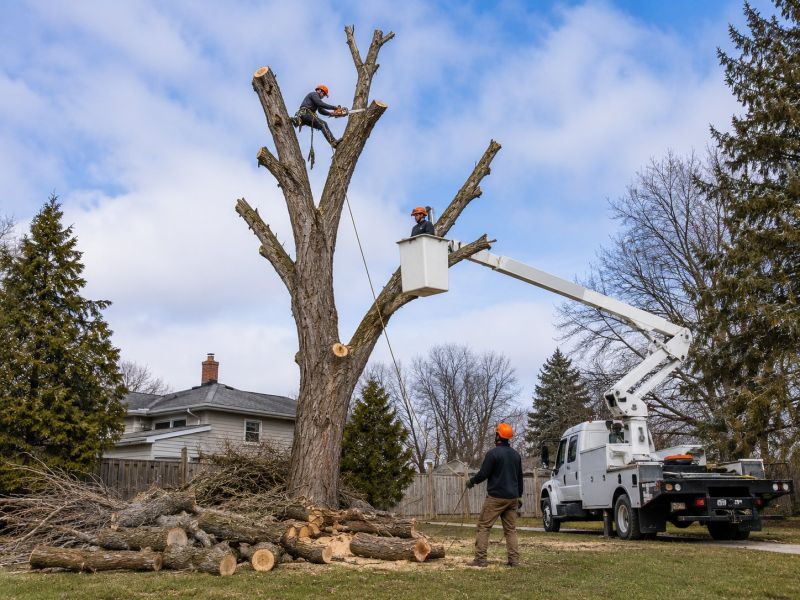
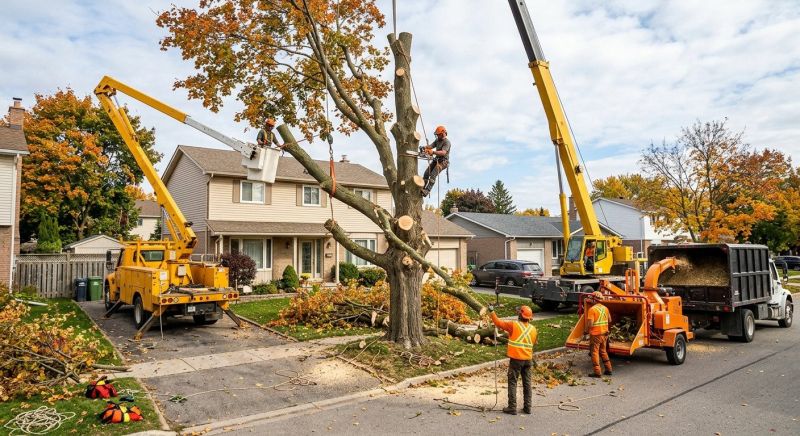
How is an apple tree removed? The process involves cutting down the tree and cleaning up the stump and debris to ensure safety and aesthetics.
When is the best time for apple tree removal? The ideal time is during dormancy, typically in late winter or early spring, before new growth begins.
What should property owners consider before removal? It's important to assess the tree's health, location, and impact on surrounding structures or landscaping.
Request Apple Tree Removal in Bucks County, PA
Use the quote form on this page to share the basics of your project and request more information for the type of work you need.